2026-06-22
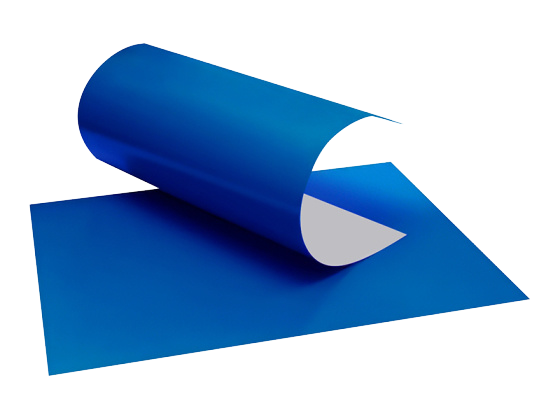
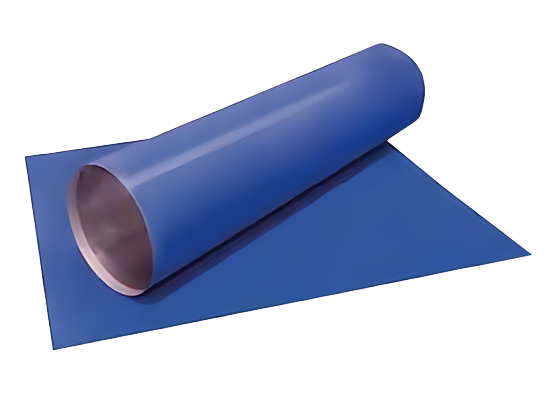
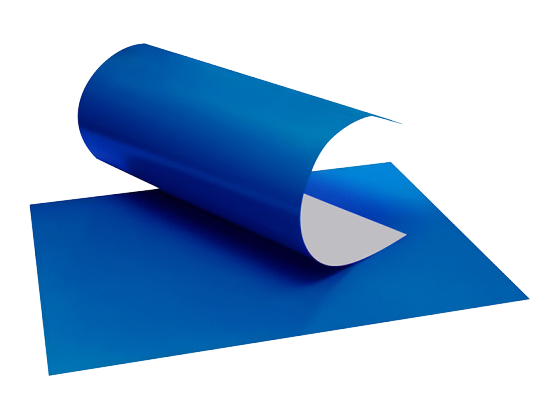
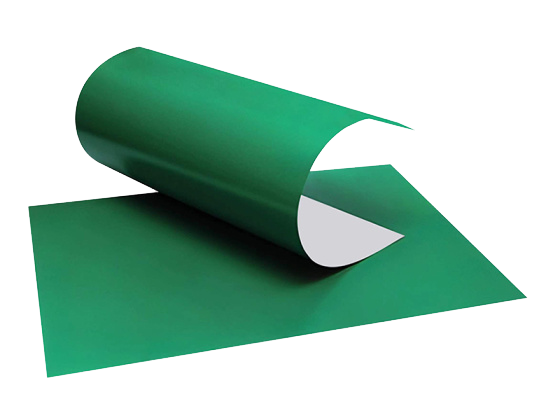
A প্রক্রিয়াহীন প্লেট হল এক ধরনের উন্নত প্রিন্টিং প্লেট যা রাসায়নিক বিকাশকারী, প্রক্রিয়াকরণ সরঞ্জাম এবং প্লেট তৈরির পর্যায়ে সংশ্লিষ্ট জলের ব্যবহার সম্পূর্ণরূপে বাদ দেয়। রাসায়নিক স্নানের মাধ্যমে উন্মুক্ত প্লেটগুলি চালানোর পরিবর্তে, প্লেটটি সরাসরি একটি প্লেটসেটারে চিত্রিত করা হয় এবং তারপরে ছাপাখানায় মাউন্ট করা হয়, যেখানে প্রেসের নিজস্ব ফোয়ারা সমাধান এবং কালি দ্বারা অনির্দিষ্ট আবরণ সরানো হয়। এই প্রযুক্তিটি প্রিন্টিং শিল্পের উচ্চতর কর্মক্ষম দক্ষতা, নিম্ন পরিবেশগত প্রভাব এবং মুদ্রণ মানের উন্নত সামঞ্জস্যের জন্য সরাসরি উত্তর প্রদান করে।
To understand the impact of process-less plates, one must first understand how they function. Traditional plate-making requires a multi-step chemical process. কম্পিউটার-টু-প্লেট (CTP) ডিভাইসে লেজারের এক্সপোজারের পরে, প্লেটটিকে অবশ্যই একটি প্রসেসরে নিয়ে যেতে হবে যেখানে রাসায়নিক বিকাশকারীরা অপ্রকাশিত জায়গাগুলি ধুয়ে ফেলে। The plate is then rinsed, gummed, and dried before it is ready for the press.
Process-less plates bypass this entire sequence. They utilize a specialized coating that reacts to thermal laser energy. Once the image is burned into the plate, the plate is ready to be used. The removal of the non-image area occurs directly on the printing press during the initial make-ready rotations. The press's fountain solution dissolves the unexposed coating, and it is transferred away via the paper or ink rollers. এই on-press development is the core mechanism that defines process-less technology, fundamentally streamlining the prepress workflow.
The shift from conventional plates to process-less plates is not merely a minor upgrade; it is a transformative step that offers substantial operational and environmental advantages.
প্রথাগত প্লেট প্রক্রিয়াকরণের জন্য উল্লেখযোগ্য পরিমাণে জল এবং কঠোর রাসায়নিকের প্রয়োজন হয়, যা শেষ পর্যন্ত বর্জ্যে পরিণত হয় যা অবশ্যই চিকিত্সা এবং নিষ্পত্তি করা উচিত। Process-less plates eliminate the need for these developers entirely. By removing the chemical processor, a print shop can reduce water consumption by nearly 100% in the platemaking department. অধিকন্তু, রাসায়নিক বর্জ্য নির্মূল করা বিশ্বব্যাপী স্থায়িত্বের উদ্যোগ এবং কঠোর স্থানীয় পরিবেশগত নিয়মগুলির সাথে পুরোপুরি সারিবদ্ধ।
Chemical processors are prone to variables. The temperature of the developer, the speed of the transport rollers, and the age of the chemistry all affect how the plate is processed. A slight deviation can lead to dot gain or dot loss, severely affecting color reproduction. Process-less plates remove these variables entirely. Since the plate goes straight from the imaging device to the press, the digital dot structure is preserved exactly as it was written. এটি গ্যারান্টি দেয় consistent dot reproduction and predictable color output across different print runs.
প্রসেসর বাদ দেওয়ার অর্থ হল রাসায়নিক কেনা, প্রক্রিয়াকরণের যন্ত্রপাতি বজায় রাখা এবং বর্জ্য নিষ্পত্তির জন্য অর্থ প্রদানের সাথে সম্পর্কিত খরচগুলি বাদ দেওয়া। It also frees up valuable floor space in the prepress department. ছোট মুদ্রণের দোকানগুলি, বিশেষ করে, এই স্থান-সংরক্ষণের দিক থেকে উপকৃত হয়, কারণ এটি তাদের বিশাল প্রক্রিয়াকরণ পরিকাঠামোতে বিনিয়োগ না করেই তাদের কর্মক্ষম পদচিহ্ন সর্বাধিক করতে দেয়।
The difference in workflow efficiency becomes clear when comparing the steps required for each method. The reduction in physical handling significantly decreases the time it takes to get a job on press.
| Traditional Plate Workflow | Process-less Plate Workflow |
|---|---|
| CTP-তে লেজার ইমেজিং | CTP-তে লেজার ইমেজিং |
| Chemical development in processor | প্রেসে সরাসরি স্থানান্তর |
| Water rinsing | On-press development during make-ready |
| Gumming and drying | সাধারণ মুদ্রণ |
| প্রেসে স্থানান্তর করুন | N/A |
As shown in the table above, process-less technology cuts out the middleman. এটি শ্রমের সময়কে উল্লেখযোগ্যভাবে হ্রাস করে এবং প্রিপ্রেস এলাকা এবং প্রেসরুমের মধ্যে ট্রানজিটের সময় প্লেটের শারীরিক ক্ষতির ঝুঁকি কমিয়ে দেয়।
While process-less plates offer numerous benefits, they are not universally identical. Printers must choose the right type of plate based on their specific applications, press configurations, and run length requirements.
In commercial printing environments where short to medium runs are the norm, process-less plates shine. They allow for quick job changes and rapid make-ready. একটি প্লেটের ছবি তোলা এবং কয়েক মিনিটের মধ্যে প্রেসে রাখার ক্ষমতা তাদের ব্রোশিওর, ফ্লায়ার এবং ব্যবসায়িক কার্ড পরিচালনা করার জন্য দ্রুত-গতির পরিবেশের জন্য আদর্শ করে তোলে।
Historically, process-less plates struggled with very long run lengths compared to their baked, conventional counterparts. However, advancements in coating technology have dramatically improved their durability. Modern high-end process-less plates can easily achieve run lengths of over 100,000 impressions without baking, and even more with specialized UV inks. This makes them increasingly viable for packaging applications where stability over long runs is critical.
Transitioning to a process-less workflow is not without its initial hurdles. Printers must be aware of these challenges to ensure a smooth integration.
The future of process-less plates is geared towards even greater versatility and automation. নির্মাতারা রঙ স্বরগ্রাম প্রসারিত করতে, স্ক্র্যাচ প্রতিরোধের উন্নতি করতে এবং কম-শক্তির UV কালি দিয়ে কর্মক্ষমতা বাড়াতে ক্রমাগত পলিমার আবরণগুলিকে পরিমার্জন করছে। Another major trend is the integration of process-less plates with automated plate loading and punching systems. When combined, these technologies create a completely lights-out prepress environment , where plates are imaged, punched, and transported to the press entirely by robotics, without human intervention.
তদ্ব্যতীত, শিল্পটি আরও টেকসই অনুশীলনের দিকে অগ্রসর হওয়ার সাথে সাথে, পেট্রোলিয়াম-ভিত্তিক পলিমারের উপর নির্ভর করে না এমন রসায়ন-মুক্ত আবরণগুলির বিকাশ ট্র্যাকশন অর্জন করছে। আমরা জৈব-ভিত্তিক এবং অত্যন্ত অবক্ষয়যোগ্য আবরণগুলিতে গবেষণা দেখছি যা অন-প্রেস বিকাশ প্রক্রিয়াটিকে আরও পরিবেশগতভাবে সৌম্য করে তুলবে।
In conclusion, process-less plates are not just an alternative; they are rapidly becoming the industry standard. রাসায়নিক বর্জ্য ব্যাপকভাবে হ্রাস করে, অপারেশনাল খরচ কমিয়ে এবং অতুলনীয় সামঞ্জস্য নিশ্চিত করার মাধ্যমে, তারা আধুনিক মুদ্রণ ক্রিয়াকলাপের জন্য একটি ব্যবহারিক এবং অগ্রগতি-চিন্তামূলক সমাধান অফার করে। এই প্রযুক্তি গ্রহণ করা মুদ্রণ পরিষেবা প্রদানকারীদের এমন একটি বাজারে প্রতিযোগিতামূলক থাকতে দেয় যা গতি এবং পরিবেশগত দায়িত্ব উভয়কেই ক্রমবর্ধমান মূল্য দেয়৷
আমাদের সাথে যোগাযোগ করুন
রাখুন স্পর্শে

মোবাইল কিউআর কোড
পণ্য
যোগাযোগের তথ্য
নং 7777, শেংটাই রোড, হিলিং জেলা, তাইজহু সিটি, জিয়াংসু
+86 13961040488+86 19852223565
+86 523 86969522
কপিরাইট © দ্বারা জিয়াংসু লেকাই প্রিন্টিং মেটেরিয়ালস কোং, লিমিটেড অধিকার সংরক্ষিত.কাস্টম ডিজিটাল অফসেট প্রিন্টিং প্লেট নির্মাতারা